Blogs
17 results
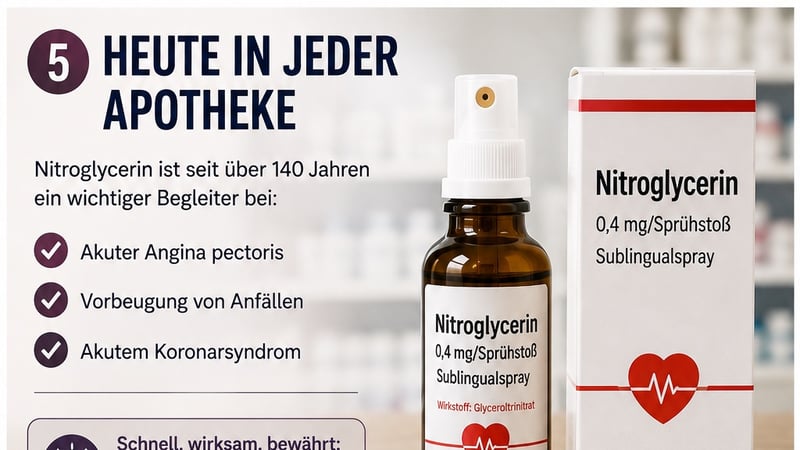
Nitroglycerin: How a Highly Explosive Substance Became a Heart Medication You know the medication – but do you know its history? For many people with angina pectoris, a small nitro spray is part of everyday life. A spray under the tongue – and the active ingredient can unfold its vasodilating effect within a short time. But behind this unassuming medicine lies a story that goes back almost 180 years. It leads from an Italian chemical laboratory, via Alfred Nobel and the development of dynamite, to modern cardiac medicine. And it begins with a substance that even its discoverer had great respect for. 1847: The Discovery of Nitroglycerin The Italian chemist Ascanio Sobrero first produced nitroglycerin in 1847. More precisely, chemically, we now speak of glycerol trinitrate (GTN). Sobrero quickly realized that he was dealing with an extraordinary substance: nitroglycerin was extremely sensitive and highly explosive. But it also showed another effect. Already in early experiments, it became clear that contact with nitroglycerin could cause severe, pulsating headaches. What was probably primarily unpleasant at the time was an initial indication of the substance's pronounced effect on the human vascular system. However, no one yet knew the mechanism behind it. And then came Alfred Nobel A frequently told story needs to be corrected at this point: Alfred Nobel did not invent nitroglycerin. When Nobel began to work with the substance, it was already known. His great achievement was to develop ways to make nitroglycerin technically more manageable. In 1867, Nobel patented dynamite. Dynamite and nitroglycerin are therefore not the same thing. Nitroglycerin was an essential component of the original dynamite formulation. While the substance revolutionized industry and blasting technology, a completely different story developed in parallel. Medicine began to take an interest in its effect on human circulation. 1879: Nitroglycerin Becomes a Medicine The British physician, William Murrell, investigated nitroglycerin in patients with angina pectoris. In 1879, he published his observations in the medical journal "The Lancet". Angina pectoris refers to paroxysmal symptoms, typically pressure, tightness, or pain in the chest, which can occur when there is an imbalance between the oxygen supply and oxygen demand of the heart muscle. Murrell observed that nitroglycerin could relieve such symptoms. The remarkable thing about it: Medicine successfully used nitroglycerin, although its current molecular mechanism of action was not known for a long time. How Does Nitroglycerin Actually Work? Today, we understand much better what happens in the body after the administration of glycerol trinitrate. GTN must first be bioactivated. Through several steps, bioactive nitric oxide-related species are formed or act. Signal transduction leads to the activation of soluble guanylate cyclase and an increase in cGMP in the smooth vascular muscle. Simply put: The vascular muscles relax and the blood vessels widen. For the effect in angina pectoris, the dilation of the venous vessels is particularly important. This means less blood returns to the heart. The so-called preload of the heart decreases, wall tension can diminish, and the heart requires less oxygen. Therefore, the frequently used explanation "nitroglycerin simply ensures that more blood flows to the heart" would be too simplistic. A significant part of the effect is rather to relieve the heart and reduce its oxygen demand. The Perhaps Most Astonishing Twist in the Story And here a remarkable circle closes. Alfred Nobel, whose name is inextricably linked with dynamite and the technical use of nitroglycerin, later suffered from angina pectoris himself. His doctors prescribed him nitroglycerin, of all things. Nobel himself commented on this situation in his correspondence as an irony of fate. The substance that had shaped a significant part of his industrial career encountered him again at the end of his life – this time not as an explosive component, but as a medicine. What We Absolutely Must Mention in the Pharmacy As fascinating as the story is: for current use, one interaction is particularly important. Organic nitrates like glycerol trinitrate must not be used together with certain PDE-5 inhibitors. These include, for example: - Sildenafil - Tadalafil - Vardenafil - Avanafil These active ingredients are used, among other things, to treat erectile dysfunction. Both nitrates and PDE-5 inhibitors interfere with the cGMP system. If they are combined, the blood pressure-lowering effect can be dangerously enhanced. This can lead to pronounced hypotension and severe circulatory problems. Therefore, the question in the pharmacy about other medications is not a triviality, and certainly not mere curiosity. It can be crucial for drug therapy safety. The active ingredient Riociguat, a stimulator of soluble guanylate cyclase, must also not be combined with nitrates. Why Nitroglycerin Can Cause Headaches This brings us back to Sobrero's observations from the 19th century. Headaches are among the known undesirable effects of nitrates. They are related to their pronounced vasodilating effect. So what the early chemists noticed on their own bodies was not an insignificant side effect. It was a visible indication of the molecule's strong biological effect. Almost 180 Years in a Small Medicine The history of glycerol trinitrate shows something that is easily forgotten in modern medicine: Medicines do not always emerge in a straight line. Sometimes a substance is discovered first. Then someone observes an unexpected effect. Doctors begin to use this effect therapeutically. And only many decades later do scientists understand in detail the biological mechanism behind it. For nitroglycerin, this path of discovery took more than a century. Research into nitric oxide as a signaling molecule of the cardiovascular system eventually became so significant that Robert F. Furchgott, Louis J. Ignarro, and Ferid Murad received the Nobel Prize in Physiology or Medicine in 1998 for their discoveries concerning the role of NO in the cardiovascular system. Thus, the history of nitroglycerin leads from Sobrero, via Nobel and Murrell, into modern molecular pharmacology. And that's exactly what makes drug history so exciting: Behind a small package that we take for granted in the pharmacy today can lie decades or even centuries of human observation, errors, scientific curiosity, and research.
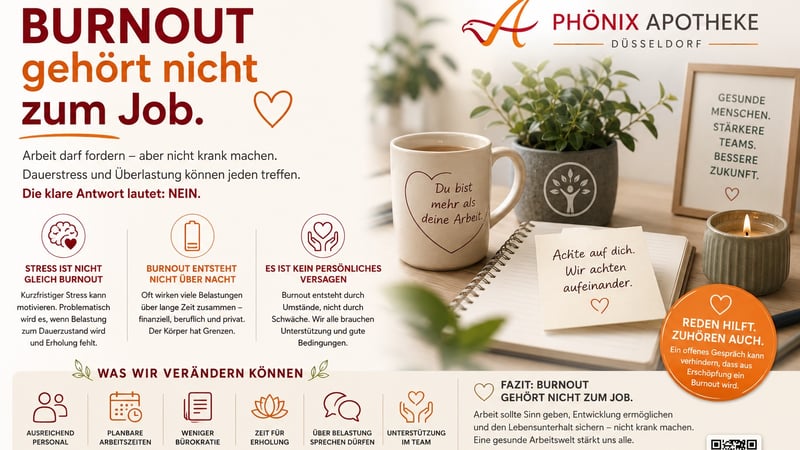
Burnout is not part of the job “That’s just the job.” Many people hear this sentence when they report exhaustion, overload, or chronic stress. But is that really true? Is burnout an unavoidable side effect of professional life? The clear answer is: No. Stress is not the same as burnout Work can be demanding. Challenges are part of almost every profession. Short-term stress can even be motivating and help to cope with difficult situations. However, it becomes problematic when strain becomes a permanent state and recovery is barely possible. This is where the line to burnout begins to blur. Burnout does not happen overnight Burnout is rarely the result of a single stressful day or short-term strain. It usually develops gradually over months or years. Often, several stressors come together simultaneously, which can reinforce each other: Financial worries Staff shortages Constant availability Increasing bureaucracy Childcare or caregiving obligations Multiple jobs simultaneously Lack of recovery phases When people constantly just function and ignore their own needs, the body eventually reaches its limits – with serious health consequences. It is not a personal failure Anyone who develops burnout is not “too weak” or has personally failed. Burnout is a complex reaction to chronic stress. It often arises where working conditions, societal expectations, and private burdens continuously interact. Therefore, it is not enough to only talk about individual resilience. Equally important is the question of how we can design work in such a way that people remain healthy and do not even get into a burnout spiral. What can we change? Healthy working conditions are crucial and include, among other things: Sufficient staff for a fair distribution of workload Predictable working hours for a better work-life balance Less unnecessary bureaucracy to focus on core tasks Sufficient time for recovery and breaks A culture where overload can be openly discussed and help is offered Mutual support and appreciation within the team Conclusion Burnout is not part of the job. It is a warning sign that must be taken seriously. Work should provide meaning, enable personal development, and secure livelihood – not make people sick. A healthy work environment not only protects employees from overload. It also improves the quality of work, strengthens teams, and ultimately benefits society as a whole. Therefore: Pay attention to each other. Ask if you notice changes. Listen and offer support. Sometimes an open conversation can prevent exhaustion from turning into burnout.

Now more than ever, we must not remain silent. There are moments when the world looks at a country. And there are moments when the people of that country slowly fade from the world's view. Iran is in such a situation today. Between internal repression and external violence. Between prisons and executions. Between economic hardship, sanctions, and the fear of war. Between a lack of medicine and a lack of freedom. And while political powers negotiate over interests, influence, security, and geopolitical strategies, those who should truly be at the forefront are increasingly pushed into the background: the people. A people caught between fronts For years, people in Iran have been fighting for freedom, equality, and a life of dignity. Women resist state control over their bodies and their lives. Workers protest against poverty and a lack of prospects. Students demand freedom. Members of ethnic and religious minorities fight against discrimination and systematic disadvantage. Prisoners risk their lives even behind prison walls to protest against executions and state violence. The Islamic Republic's response has been known for decades: Arrests. Torture. Repression. Unfair trials. Executions. Fear. But today, another danger is emerging. The danger that the suffering of the people in Iran will become invisible amidst geopolitical conflicts. When Iran is discussed, but the people are no longer mentioned There is much talk about Iran. About nuclear policy. About sanctions. About military attacks. About regional power interests. About negotiations between states. But far too often, the crucial question is not asked: What is happening to the people? What is happening to the mother who doesn't know if she can afford or even find the medicine for her sick child? What is happening to the political prisoner whose name hardly anyone knows? What is happening to the families of those sentenced to death, who wake up every morning with the fear that the next call will come from the prison? What is happening to a generation of young people who demand freedom and are instead threatened with imprisonment, violence, and death? People must not become collateral damage of political interests. Neither through the violence of a regime. Nor through war. Nor through a policy whose consequences primarily affect those who have little means to protect themselves anyway. Silence never protects the oppressed The Islamic Republic benefits when the world looks away. It benefits when names are forgotten. When executions are just numbers. When political prisoners disappear from the news. When the people in Iran are only perceived as part of a geopolitical conflict. Therefore, public awareness is not a side issue. Publicity can protect. Attention can generate political pressure. Speaking names can prevent people from becoming completely invisible. Solidarity can overcome borders. Perhaps we cannot prevent every execution. Perhaps we cannot open every prison gate. Perhaps we cannot end a repressive system alone. But it does not follow that our actions are meaningless. On the contrary. Precisely where people are forced into silence, those outside the country bear a special responsibility to amplify their voices. Being loud does not mean being for war Whoever is against the Islamic Republic does not have to support a war against Iran. Whoever criticizes sanctions does not have to relativize the regime's crimes. Whoever speaks out against military attacks does not have to remain silent when people are executed, tortured, and persecuted. Human rights must not depend on which political side someone stands on. Our stance must remain clear: We stand against the Islamic Republic and its systematic repression. We stand against executions. We stand against torture and political imprisonment. We stand against war and the destruction of civilian life. We stand against a policy where medicine, food, and the basic needs of people become instruments of political power. And above all: We stand with the people in Iran. Now more than ever, we must speak louder Perhaps the greatest danger of our time is not just the violence itself. Perhaps it is the normalization of violence. The next execution. The next arrest. The next political prisoner. The next family that has no access to vital medicines. The next news of war and destruction. And eventually, the unbearable seems commonplace. We must not allow this to happen. We must continue to talk about political prisoners. We must name those sentenced to death. We must document human rights violations. We must demand political pressure. We must hear and amplify the voices of the people in Iran. Not because we want to speak for them. But because a regime is trying to silence their voices. Our solidarity does not end when the headlines disappear The people in Iran do not need a world that only pays attention when images of protests, war, or violence dominate the news. They need a public that remains. A solidarity that does not tire. A human rights movement that cannot be co-opted by governments or ideologies. Therefore, we will continue to speak. About the prisoners. About those executed. About the women. About the minorities. About the families. About the people whose names the world does not yet know. We will continue to look. We will continue to document. We will continue to remember. We will continue to be loud. Because as long as people in Iran are forced into silence, our silence must not be an option. FreeHuman stands with the people. Against oppression. Against executions. Against war. For freedom. For human dignity. For the right of every person to determine their own life and future.
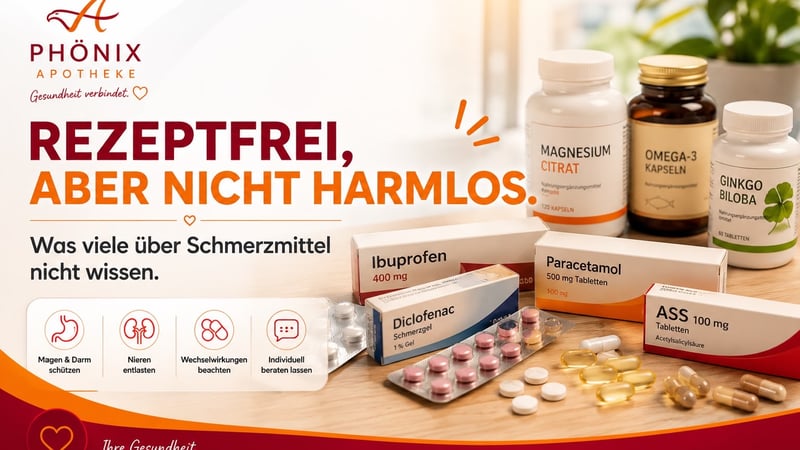
Over-the-counter, but not harmless: What many don't know about painkillers Headaches, back pain, or fever – painkillers like ibuprofen, diclofenac, or paracetamol are a regular part of daily life for many people. Some of these preparations are available over-the-counter in pharmacies. However, a widespread misconception persists: Over-the-counter does not mean risk-free. Even over-the-counter painkillers can cause side effects, interact with other medications, or be unsuitable for certain conditions. Even dietary supplements and herbal remedies can play a role here. 1. Ibuprofen and Diclofenac can strain the stomach and kidneys Ibuprofen and diclofenac belong to the group of non-steroidal anti-inflammatory drugs (NSAIDs). They have pain-relieving and anti-inflammatory effects and can reduce fever. At the same time, however, they can strain the gastrointestinal tract and increase the risk of ulcers and bleeding. Kidney function can also be impaired. Particular caution is advised for older people, in cases of dehydration, existing kidney diseases, or when taking certain other medications. A typical example from everyday pharmacy practice: A patient takes medication for high blood pressure and also a diuretic tablet. Due to back pain, she now wants to take ibuprofen for several days. Here, the entire medication should be considered, as certain combinations can additionally strain the kidneys. That's precisely why we ask about your other medications at the pharmacy – not out of curiosity, but for your safety. 2. Paracetamol is not automatically the harmless alternative Paracetamol is often considered particularly well-tolerated. But here too, correct use determines safety. An overdose can cause severe liver damage. Another problem: Paracetamol can be contained in various medications. Anyone who simultaneously takes several preparations for pain, fever, or cold symptoms can unintentionally take the same active ingredient multiple times. Therefore, it's always worth checking the active ingredients – and not just the name of the preparation. 3. Two painkillers are not automatically better than one If one painkiller is not sufficiently effective, some people simply reach for a second preparation. However, the principle of "more is better" does not apply to medicines. Especially the uncontrolled combination of different painkillers from the NSAID group can increase the risk of side effects without necessarily providing a corresponding additional benefit. Anyone who is not adequately helped by one painkiller should therefore not simply combine different preparations themselves, but seek medical or pharmaceutical advice. 4. Painkillers can cause interactions Particular caution is required, for example, when simultaneously taking anticoagulant medications, certain blood pressure medications, diuretics, cortisone preparations, or certain antidepressants. The more medications are taken regularly, the more important it becomes to look at the entire medication regimen. One of the most common situations in the pharmacy is when people ask for an over-the-counter medication but initially do not mention their long-term medication. Yet, precisely this information can be crucial. 5. Dietary supplements can also play a role One point is particularly often forgotten: Dietary supplements and herbal remedies are not automatically free of interactions. Many people do not mention vitamins, minerals, or herbal preparations when asked about their medications. However, such products can also have pharmacologically relevant effects or influence the effectiveness and safety of medicines. Depending on the dosage, preparation, and individual medication, for example, ginkgo, garlic preparations, or omega-3 fatty acids can be relevant in conjunction with medications that affect blood clotting. St. John's wort is also a well-known example of a herbal preparation with numerous possible interactions. Therefore, our advice: Don't just tell us which medications you are taking. Also tell us about your dietary supplements and herbal preparations. Our pharmaceutical advice Painkillers are important and effective medicines. Used correctly, they can relieve symptoms and improve quality of life. However, the crucial question is not just: "What helps my pain?" At least as important is the question: "What is personally suitable for me?" Age, pre-existing conditions, pregnancy, other medications, dietary supplements, and the duration of symptoms can play a role in the selection. This is precisely where pharmaceutical consultation begins. Talk to us. We don't just look at a single medicine, but at your entire medication – including your dietary supplements and herbal preparations. Your Phönix Apotheke Düsseldorf

Project "Bloody January" The death penalty is one of the most serious human rights violations of our time. Every year, numerous people are executed worldwide. For many years, Iran has been one of the countries with the highest number of executions globally. With the "Bloody January" project, Aktion für Menschenrechte e.V. (Action for Human Rights) is committed to abolishing the death penalty and promoting a culture of life and human dignity. Our project pursues two central goals: Education about the consequences and effects of the death penalty. Concrete support in selected cases where an execution can be prevented by paying the legally stipulated Diyah (blood money). We carefully examine each case. Support is exclusively provided for cases where the legal requirements are met and where the act was committed without intent, for example, in a fit of emotion or due to youthful immaturity. With your donation, you help us save lives and give people a second chance. How you can help Scan the QR code on this page. Support the project with a freely selectable donation amount. Share the project with family, friends, and acquaintances. As a non-profit organization, Aktion für Menschenrechte e.V. will, of course, issue a donation receipt for tax purposes. Together, we can send a signal against the death penalty.
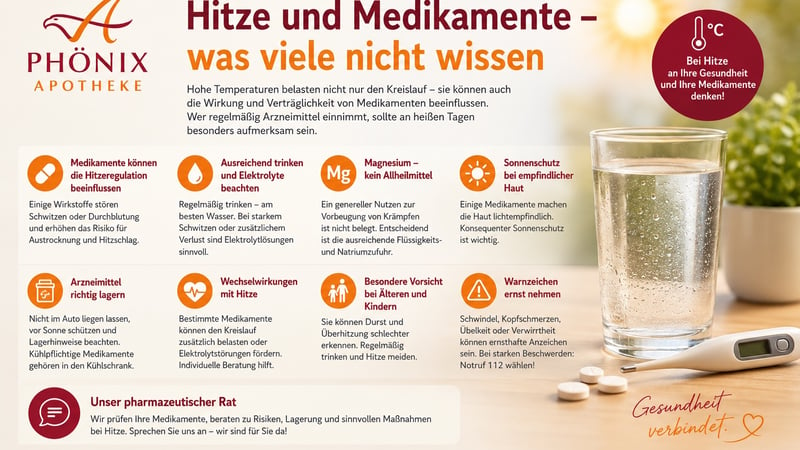
Heat and Medication – Your Questions, Our Answers High temperatures not only strain the circulatory system – they can also affect the efficacy of medications. Here’s an overview of the most important questions on this topic. Which medications influence the body's heat regulation? The body primarily regulates its temperature through sweating and skin blood flow. Some active ingredient groups interfere with these mechanisms: Diuretics (water pills) promote the excretion of fluid and electrolytes, thereby increasing the risk of dehydration. Certain blood pressure medications affect vasodilation and thus heat release through the skin. Anticholinergic substances – found in some antidepressants, neuroleptics, Parkinson's and allergy medications – inhibit sweat production, which is the body's most important cooling mechanism. Can I simply stop taking my medication or change the dose when it's hot? No. Never stop taking medication on your own or change the dosage without consulting a doctor or pharmacist. How much should I drink when it's hot? Regularly, ideally water or unsweetened beverages. When you sweat, you lose fluid and electrolytes – however, older people often experience a diminished sense of thirst, so you should drink actively and not wait until you are thirsty. When are electrolyte solutions useful? With sweat, the body primarily loses sodium and potassium. In cases of heavy sweating, physical exertion, or additional fluid loss due to diarrhea or vomiting, electrolyte solutions can be helpful. For healthy people, water and a balanced diet are usually sufficient for everyday life. Hydrates magnesium help against heat-related muscle cramps? A clear scientific benefit for prevention has not been proven. Adequate fluid and electrolyte supply is more crucial, as heat cramps are usually more related to electrolyte losses. How do I store medications correctly at high temperatures? Never leave medicines in the car, protect them from direct sunlight, and observe the storage instructions on the packaging. Insulin, some biologics, and other refrigerated medicines must be consistently kept in the refrigerator. If medications have been exposed to high heat for an extended period, their effectiveness may decrease – if in doubt, ask at the pharmacy. Which medications make the skin more photosensitive? Certain antibiotics, diuretics, or herbal preparations containing St. John's wort can increase skin sensitivity to sunlight. This can result in severe sunburn or skin reactions – even after brief sun exposure. Good sun protection and avoiding intense sun are therefore important. Which warning signs of heat exhaustion should I take seriously? Dizziness, severe fatigue, headaches, confusion, muscle cramps, or nausea can be signs of heat exhaustion. In case of high fever, impaired consciousness, or suspected heatstroke, call emergency services immediately at 112. What can the Phönix Pharmacy do for me? Especially in summer, a quick medication check is worthwhile. We will work with you to check whether your medications are heat-sensitive, how they should be stored correctly, whether special precautions are necessary, and answer your questions about medicines and heat. Feel free to contact us – we will advise you individually and competently. Phönix Pharmacy Düsseldorf Health connects us.

Many paths lead to your pharmacy – but why not choose the simplest and fastest? With our app, you can conveniently pre-order your medications or send your e-prescription directly to us. This way, we prepare your order, and you save valuable time when picking it up. It's that simple: • Download the app for free. • Redeem your e-prescription or upload a photo of your prescription. • Pre-order your medications. • Receive a notification as soon as everything is ready for you. • Conveniently pick up your medications at the pharmacy. Your advantages at a glance: ✔ Less waiting time ✔ Simple and fast pre-ordering ✔ Convenient prescription submission ✔ Personal consultation is, of course, maintained We combine proven on-site personal service with the innovative possibilities of the digital world. How important is a pharmacy app to you? Do you already use an app to redeem prescriptions or pre-order medications? Or do you prefer to visit the pharmacy directly? Share your opinion with us in the comments. We look forward to the exchange! Your Phönix-Apotheke Düsseldorf Health connects.
Introduction Many people living in Germany possess valuable skills and talents, but finding the first customer or presenting oneself to the target audience is often a major challenge. Whether you are a student, an apprentice, or unable to work full-time due to family obligations: if you have a skill, Siyavash helps you to be seen better and more frequently. You are not alone! ⸻ If you are a student... Being a student in Germany doesn't just mean studying; many students look for a side income to cover part of their living expenses. If you are active in the following areas, Siyavash is the best platform to present yourself: Teaching languages: You can work as a German teacher or a provider of learning support. Digital services: If you have skills in programming or graphic design, you can take on projects as a provider of digital services, including web design. Translation: You can join the platform as a translator and receive requests for professional online translation services. Photography and content creation. ⸻ If you are an apprentice... Apprenticeships are a great opportunity to learn a profession, but many apprentices want to gain more practical experience or earn additional income on the side. Siyavash helps you, with its feature to explore nearby services, to present your technical skills precisely to the people in your immediate vicinity or city who need support. ⸻ If you are a housewife or have family obligations... Many people cannot pursue full-time employment due to family duties and daily life in Germany. But perhaps you have skills in areas such as cooking, baking, sewing, hairdressing, teaching, consulting, or handicrafts. Siyavash allows you to offer your services to the multilingual community without having to immediately start a large company. Furthermore, special offers and information exclusively for women will soon be available, presenting a unique opportunity for skilled female entrepreneurs. ⸻ Why is Siyavash different? Siyavash is not just a simple classifieds portal. On this platform, your profile and expertise are presented directly alongside verified local businesses, events, and useful legal articles (such as immigration laws and visa information in the users' native language). This means that users visiting the platform are looking for solutions to their needs in a professional and focused environment, making it much easier for them to find you. ⸻ The first customer is always the hardest The biggest challenge for many people is not a lack of skills, but a lack of visibility. Siyavash works to close this gap and act as a direct bridge between those who offer services and those who urgently need them. ⸻ The future begins with a small step Perhaps today you only have one skill or a rough idea, but every successful business started with a small step. If you are ready to present your skills to others and achieve financial independence, Siyavash can be your strong starting point on this journey.
Introduction Associations, non-governmental organizations (NGOs), and charitable organizations play a crucial role in supporting immigrants. By organizing educational courses, legal advice, and cultural and social events, they strive to facilitate the integration process and life in a new country for migrants. However, there's a bitter reality: many of these valuable services never reach those who need them most due to limited communication channels and the “invisible language barrier.” In today's world, an effective and targeted digital platform is just as important as practical on-the-ground work. ⸻ What are the communicative challenges for associations? Many organizations struggle daily with the following obstacles: Language barrier: Difficulties in precisely informing various migrant groups in their native language. Lack of visibility for services: Limited promotion of workshops, events, and support offers. Limited regional reach: Difficulties in reaching the target audience in different cities and regions. Attracting target groups and volunteers: Challenges in recruiting new members and active volunteers. Information dissemination: Lack of a central network for collaboration with other associations and verified local businesses. ⸻ How does Siyavash eliminate these hurdles? Siyavash is far more than just a website; it is a comprehensive, multilingual ecosystem that unites the migrant community, businesses, essential services, and events in one place. This platform is the gateway to migrant communities in Germany. Organizations can use this powerful platform for the following purposes: Showcasing support services: From assistance with learning German to access to German law in the native language and visa information. Borderless event publishing: Announcing workshops and programs with the ability to translate messages into various languages. Presenting special offers: Information about specific programs, such as soon-to-be-available offers for women. Attracting new members and volunteers: Quick access to users in your vicinity who are looking for essential services and support. ⸻ Why is presence on a specialized platform essential? Individuals who visit Siyavash are specifically looking to discover services near them, find professional translators, learn the German language, and understand everyday laws for living in Germany. This means that your target audience on this platform is already interested in the topic and needs your services; consequently, the probability of participation and interaction is much higher. ⸻ Collaboration instead of competition The goal of Siyavash is not to replace existing dedicated websites or channels of associations. On the contrary, Siyavash's mission is to connect associations, digital service providers, professionals, and migrants in a common network so that everyone can benefit from each other's capacities. ⸻ Main advantages for organizations on Siyavash: Direct communication with multilingual users: Overcoming language barriers and reaching a variety of migrants in different languages. Permanent and professional presentation: Creating a credible profile to showcase the organization's mission and achievements. Effective event management: Publishing programs and targeting the audience effectively. Organizational networking: Building a cooperation network with other charitable organizations, institutions, and businesses. Increased visibility: Improving digital presence and Google search ranking to reach a larger audience. ⸻ The future of the migrant community is shaped by collaboration. No single organization can meet all the needs of the migrant community. But when associations, professionals, and service providers come together, a community emerges where access to information, rights and duties for everyday life, opportunities, and support becomes easier for everyone. Siyavash was developed with precisely this approach: not just as a platform, but as a bridge between people, services, and opportunities. ⸻ Invitation to collaborate If you are an association, charity, or organization committed to supporting immigrants, Siyavash can be your strongest tool to showcase your activities, expand your network, and better reach your target audience. Together, we can build a better informed, connected, and empowered community. Join us today.
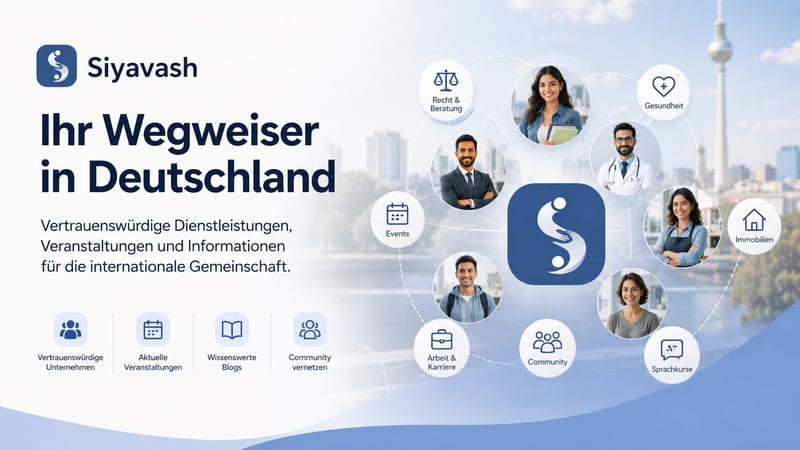
Introduction Moving to a new country is not just a geographic relocation; it is the beginning of a new chapter in life. Along the way, every immigrant faces dozens of fundamental questions and challenges: Where can I find a reliable doctor or lawyer? How can I understand immigration laws and visa information in my native language? Are there German language classes or cultural events in my city? How can I effectively connect with people who speak my language and the local community? Finding the answers to these questions is often time-consuming, scattered, and sometimes confusing. The "Siyavash" platform was created exactly to remove these barriers and simplify this journey. ⸻ What is Siyavash? Siyavash is a comprehensive, multilingual platform (supporting 18 languages) for immigrants in Germany that brings together essential services, verified local businesses, events, and practical information into one unified space. Siyavash's goal is not just to display information, but to make finding the right services faster, safer, and hassle-free. ⸻ What Challenges Does Siyavash Solve? Finding Local and Reliable Services: With Siyavash, you can easily explore nearby to find essential services and support close to you. You can discover verified local businesses, doctors, immigration lawyers, accountants, and even digital services including web design providers. Access to Legal and Visa Information: You can access German Law in Your Language. The platform helps you understand immigration and visa-related German laws, processes, and legal obligations, as well as find family-related German law guidance for everyday life, rights, and responsibilities. Translation and Language Learning: Whether you are learning German and need to find language tutors or want to find a translator to request professional translation services online, Siyavash is just a few clicks away. Awareness of Events and Special Offers: From local events and networking opportunities to upcoming offers for women, Siyavash keeps you informed about all available opportunities. ⸻ Who Can Use Siyavash? Siyavash is a platform for everyone: newcomers, students, families, refugees, professionals, business owners, doctors, lawyers, and active associations can all benefit from this network. ⸻ Why is Siyavash Different? Siyavash goes beyond a simple directory or business listing. On this platform, you can: Discover essential services close to you. Read educational articles and legal information in your own language. Follow events and connect with the immigrant community. Present your own business and connect with your target audience. All these features combined make Siyavash a powerful starting point for living and working professionally in Germany. ⸻ The Vision of Siyavash We believe no immigrant should feel lost when searching for information and essential services. When communication improves, participation grows, and communities become stronger. Our goal is to build the largest multilingual immigrant community in Germany—a place where information, services, and people connect, making the journey of life in a new country easier for everyone. You are not alone! Siyavash was built exactly for this reason: so every immigrant can find the information they need faster, connect with the right local businesses and services, and start their new life with greater confidence.

Learning German is the first and most crucial step for many people migrating to Germany to build a successful life. Language skills are not only important for passing an exam or obtaining a certificate, but they are the key to communication, job searching, further education, handling administrative matters, and feeling a sense of belonging to the new society. The good news is that learning the German language, contrary to many opinions, is absolutely achievable with a structured plan and the right method. 1. Be in contact with the German language every day You don't have to study for several hours daily. Even 30 to 60 minutes of regular practice lead to much better results than hours of irregular study. Try to dedicate a part of your time each day to reading, listening, writing, or speaking in German. 2. Focus on everyday conversations first In the first few weeks, you don't need to memorize thousands of words. Learning sentences and expressions used daily is much more practical; for example: Introducing yourself Going shopping Using public transport Visiting a doctor Talking to neighbors or colleagues When you are able to communicate in everyday situations, your self-confidence will also increase. 3. Don't be afraid to make mistakes The biggest obstacle to language learning is the fear of making mistakes. Nobody speaks flawlessly from day one. Even if you express a sentence incompletely, you are still learning. Every conversation is valuable practice. 4. Learn grammar, but don't get lost in memorization Basic German grammar is very important, but it should not prevent you from speaking. It is better to first understand the concepts of the rules and then apply them in conversations and daily exercises. The practical application of the language helps to solidify the rules in your memory over time. 5. Follow German films, podcasts, and news Listening to German, even if you don't understand all the words, helps to improve listening skills. You can use learning videos, simple news, podcasts, or television programs suitable for language learners. 6. Speak German with others Nothing replaces practicing conversations. If you have the opportunity to attend conversation classes or get in touch with native German speakers, your progress will multiply. Speaking helps to naturally embed vocabulary and grammatical structures in your memory. 7. Language learning is a journey, not a race Some people give up after a few weeks because they are not yet fluent. Language learning takes time. The most important thing is consistency. If you practice a little every day, you will notice a significant difference in your abilities after a few months. The role of language courses An experienced teacher and a structured curriculum can significantly ease the learning path. Especially for Persian-speaking learners, explaining some grammatical points in Persian at the beginning of the journey helps to understand more complex concepts faster and to enter German conversation with more confidence. ⸻ German courses by the association Aktion für Menschenrechte e.V. The association Aktion für Menschenrechte e.V. regularly organizes and hosts German courses and special educational programs for migrants and refugees. If you would like to be informed about new courses, educational events, and free language learning opportunities, simply follow this association's page on the Siyavash platform. By following the association, you will be informed earlier than others about registration times for new courses and other educational and cultural programs for migrants. Learning German is an investment in your future in Germany. Start today.

This course is designed for learners who have reached the B1 level of German, but still struggle to speak fluently and confidently in everyday conversations, at work, or in various real-life situations. In this course, you will: ✅ Improve your listening skills through authentic audio materials and real-life conversations. ✅ Build greater confidence when speaking German. ✅ Expand your vocabulary and learn practical expressions for daily communication. ✅ Practice speaking regularly in an interactive and supportive learning environment. If you want to use your German knowledge more fluently, naturally, and effectively, this course is for you. 📍 Limited seats available 📅 Course start date will be announced soon.
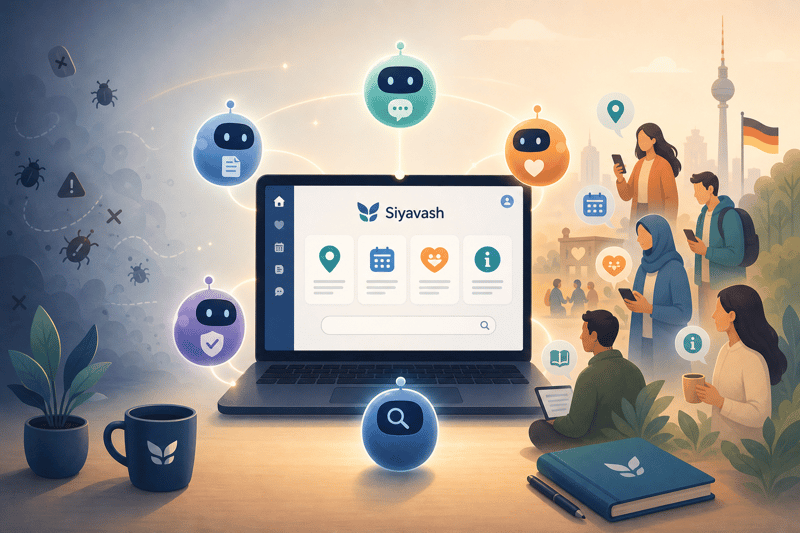
Building an application is not just about designing a few pages and adding some buttons. Behind every part of it, there is a lot of thinking, decision-making, testing, fixing, and sometimes exhaustion. This is especially true when the application is something like Siyavash: a platform built to help people find trusted services, useful information, and better paths for life in Germany. During the development of Siyavash, I used a group of customized AI agents. Each agent had a clear role. One helped with planning, one helped with writing and reviewing different parts, one focused on testing and quality, and another helped find and fix problems faster. What felt exciting to me was not only the speed. The real change was that many repetitive and tiring tasks became lighter. Before, we could spend hours trying to understand why a text was not showing correctly, why a form was giving an error, why a small change broke something somewhere else, or why a few simple characters caused unexpected bugs. These tasks were necessary, but they took a lot of energy. With the help of these agents, much of that pressure became smaller. Instead of spending most of the time on tiny repeated errors, the focus moved toward more important questions: What does the user really need? Where do they get confused? How can we make their path simpler? How can a newcomer in Germany find the right information and trusted services faster? For me, this is where technology becomes truly valuable. When tools help us spend less time on exhausting repetitive work, our minds become freer to think better, listen better, and solve problems in a more meaningful way. Siyavash is not just an application. It is an effort to make access to trusted services, events, and information easier. If someone can find a translator faster, discover a reliable service, hear about a useful event, or understand life in Germany a little more clearly, then this work has real value. I believe this is the future of software development: cooperation between humans and smart tools. Not so humans disappear from the process, but so humans can focus more on what truly matters: understanding people’s needs, building better solutions, and in the end, improving quality of life.
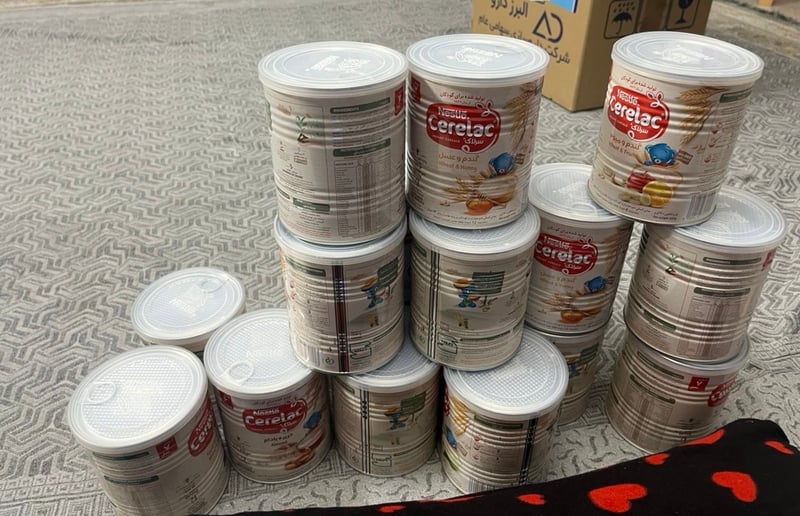
As you know, the living conditions in Iran have become increasingly difficult and fragile. Ramin, born on May 18, 2015, unfortunately suffered severe brain damage and CP (Cerebral Palsy) due to a clear medical error at birth. As years passed and he grew older, due to severe swallowing difficulties and physical conditions, the family was forced to extract all his teeth due to complete decay. His devoted mother prepares all of Ramin's meals as baby cereal and blended foods; however, unfortunately, even these blended foods cause him severe digestive problems, and he has no peace or sleep from night till morning. Ramin takes seizure medication and has also developed bedsores recently. When I entered their home and greeted Ramin with enthusiasm and affection, he showed sweet and lively reactions; so much so that the father of the family involuntarily shed tears. The mother is a homemaker and cares for Ramin around the clock. The father has also been unemployed for some time due to the difficult market conditions and economic problems, and has been working at a new place for about a month; however, he has not yet received any salary. Thanks to the companionship and kindness of Ms. Baharan from Australia, 17 packets of baby cereal with different flavors were prepared and presented to this family, hoping to alleviate a small part of their life's hardships. Thank you for being by Ramin and his family's side.
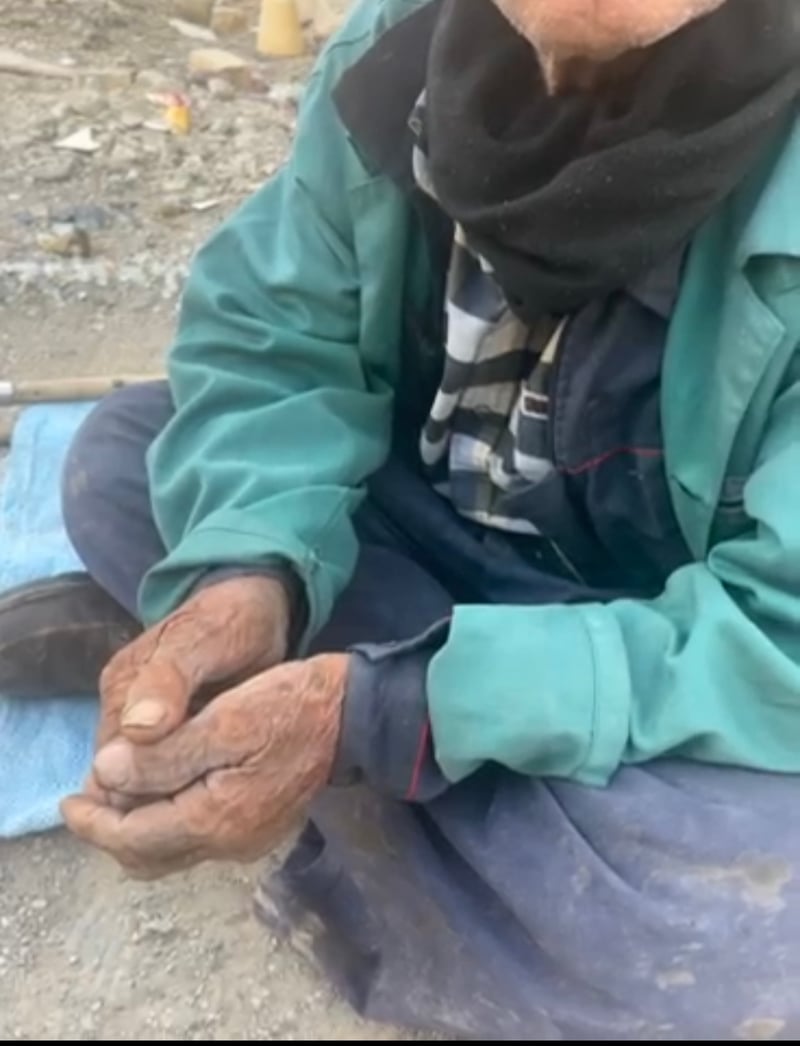
Today I saw an old man sitting by the door of a house, quietly weeping. I approached him and asked, "Has something happened? Can I help you?" He said: "I have a cart that I use every day to transport goods in the market to earn a living for myself and my wife. Ten days ago, I left my cart in the yard of this house, but for ten days now, I've been coming every day to pick up my cart, but no one opens the door." I asked him, "How much did you earn daily?" He replied, "About 10 to 15 thousand Tomans." I asked, "What year were you born?" He said, "1316." Since our friends at the Human Rights Activism Association had launched a campaign to support those in need, I contacted them. The team quickly arranged for a complete support package, which we delivered to the family's home. An amount was also given to him as an allowance for the days he hadn't worked, so he wouldn't be left empty-handed. We also promised to visit him once a month and follow up on his situation. In these difficult days, more than ever, we must look out for each other. If you wish to stand with us, we invite you to join the campaign to support those in need in wartime conditions.

Wir freuen uns, einen Beitrag für die Gemeinschaft von Migrantinnen und Migranten leisten zu können und gemeinsam Wege zu finden, das Leben in Deutschland besser zu gestalten. Aktion für Menschenrechte e.V.
Migration is not just about changing countries; it is about starting life over in an unfamiliar environment. Many of us face challenges along this journey—loneliness, bureaucratic complexities, finding a job, and limited access to reliable information; experiences that, while difficult, can be made easier—if we are not alone. The “Siyavash” platform was created with the goal of building a supportive network for migrants in Germany; a place to share experiences, find solutions, and create meaningful connections. This space is shaped by your participation. If you have experiences to share, questions to ask, or a desire to support others, this is your place. We believe that no one should have to go through the migration journey alone. This is just the beginning.